10 Moroccan Customs That Will Surprise First-Time Visitors
From mint tea etiquette to souk bargaining rules — a practical guide to Moroccan culture every traveler should read before arriving.

10 Moroccan Customs That Will Surprise First-Time Visitors
Morocco is one of the most welcoming countries in the world — but it runs on its own unwritten rules. Knowing them before you arrive turns awkward moments into meaningful connections.
First-time visitors to Morocco often arrive with expectations shaped by travel blogs and Instagram reels. The reality is richer, stranger, and far more human. These 10 customs aren't warnings — they're invitations to understand a culture that has been hosting travelers for over a thousand years.
"In Morocco, refusing tea is refusing friendship. Always accept the first glass — even if you're not thirsty."
- Tea is never just tea
- Greetings are long — on purpose
- Food is shared from one plate
- Bargaining is expected — but has rules
- Shoes off at the door — always
- Friday is family day
- "Inshallah" is not evasion
- The hammam is not a spa
- Dress modestly — especially outside cities
- Saying a few words in Darija changes everything
1. Tea is never just tea
Atay — Moroccan mint tea — is the country's universal language of hospitality. When a shop owner, host, or new acquaintance offers you tea, they are offering you their time and trust. The ritual matters as much as the drink: the tea is poured from height to create foam, served three times in small glasses, and each glass carries meaning in local tradition.
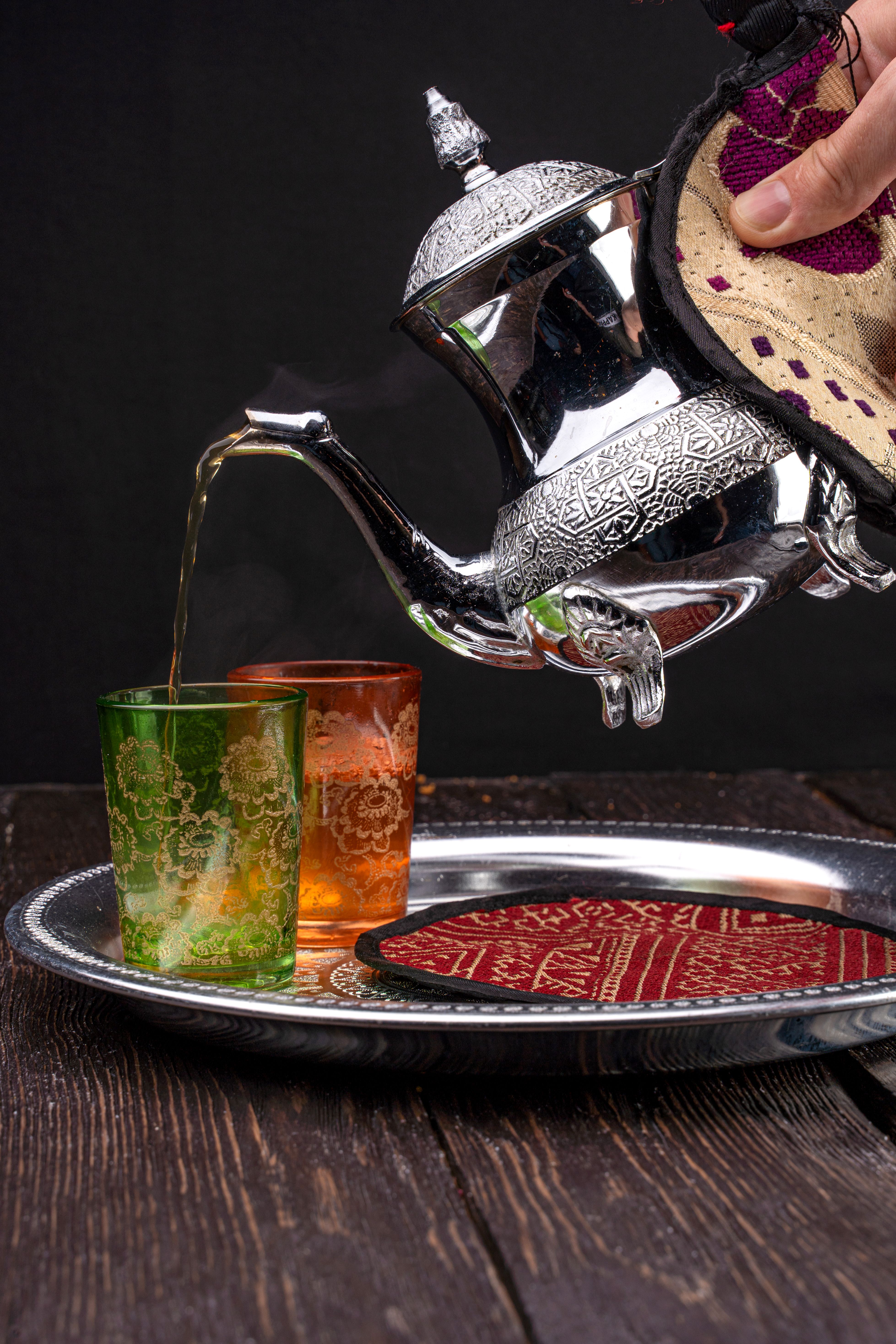
Say "Shukran, b'saha" (شكرا، بصحة) after finishing your tea — it means "thank you, to your health" and will genuinely delight your host.
2. Greetings are long — on purpose
In Morocco, a greeting is not a formality — it's a genuine exchange. Expect questions about your health, your family, your journey, and your wellbeing before any business is discussed. Rushing past this feels cold and transactional to Moroccans. The longer the greeting, the more respect is being shown. Men greet with a handshake followed by touching the right hand to the heart.
Don't extend your hand to someone of the opposite gender unless they extend theirs first — some Moroccans prefer not to shake hands across gender lines, and they will appreciate you letting them lead.
3. Food is shared from one plate
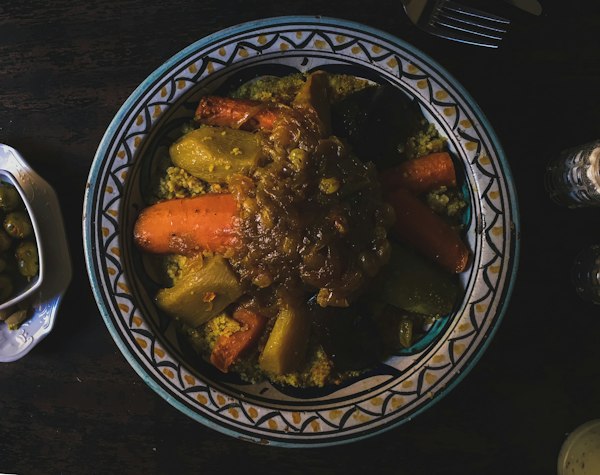
Traditional Moroccan meals are communal. A large tagine or couscous dish is placed in the center and everyone eats from their own section — directly from the shared dish, using bread as a utensil. Eating enthusiastically from your section is the highest compliment to the cook.

4. Bargaining is expected — but has rules
In the souks, the first price quoted is never the final price — both parties know this. Bargaining is a social dance, not a confrontation. Start at roughly half the asking price, stay friendly, and expect to meet in the middle. What breaks the ritual: being aggressive, walking away rudely after a price is agreed, or insulting the quality of the goods.
"Bghal bzzaf" (بغال بزاف) means "too expensive." Smile when you say it — it always gets a laugh and a better price.
5. Shoes off at the door — always
Entering a Moroccan home or mosque with your shoes on is one of the most serious breaches of etiquette you can make. The threshold between outside and inside is sacred. You'll see shoes lined up neatly at the entrance of every home — follow the cue without waiting to be asked.
6. Friday is family day
Friday is the Islamic holy day — and in Morocco, it's built around the midday prayer and a couscous lunch with family. Many shops close between noon and 2pm. If you're invited to join a Moroccan family for Friday couscous, accept without hesitation — it's one of the most intimate invitations the culture offers to an outsider.

7. "Inshallah" is not evasion
Western visitors sometimes interpret "inshallah" (إن شاء الله) as a polite no. It's neither. It reflects a genuine belief that outcomes are not entirely in human hands — used by educated professionals and grandmothers alike. When someone says "inshallah, I'll be there at 9," they mean it sincerely — with the acknowledgment that life can intervene.
Using "inshallah" yourself — genuinely, not sarcastically — is one of the fastest ways to connect with Moroccans. They find it charming when a visitor understands and uses it naturally.
8. The hammam is not a spa
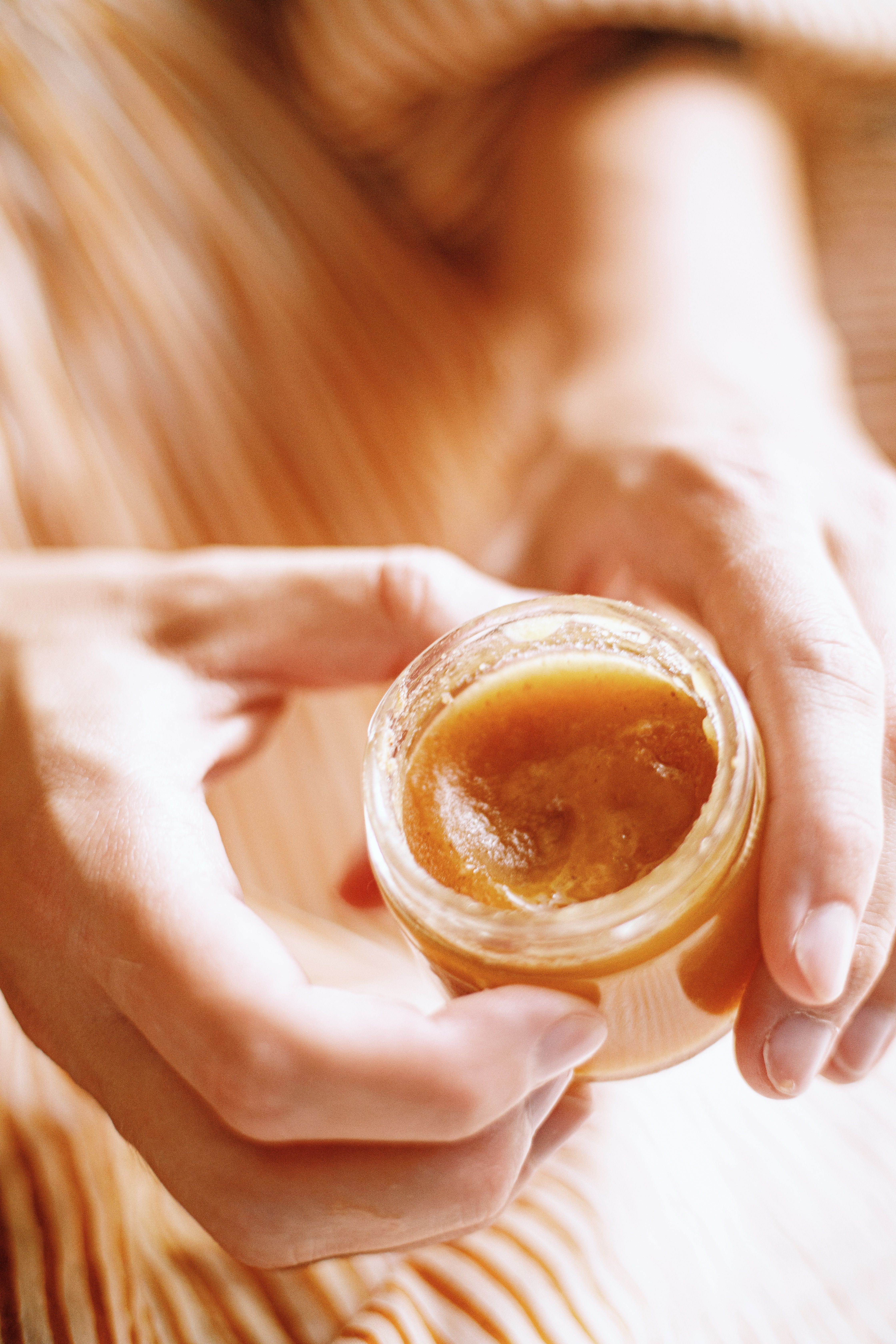
The public hammam (traditional bathhouse) is a centuries-old social institution — a place for neighbors to meet, catch up, and take care of their bodies. A neighborhood hammam costs under $2 and is used weekly by most Moroccan families. Bring your own kessa glove and savon beldi (black soap), and follow the lead of locals around you.

9. Dress modestly — especially outside cities
Morocco is a Muslim-majority country with a strong sense of public modesty. In smaller towns, medinas, and rural areas, covering shoulders and knees is a simple sign of respect. This applies to all genders. A light linen shirt and loose trousers cost nothing and open every door.
A djellaba (traditional robe) bought in the medina for $15–20 is the ultimate travel hack — comfortable, modest, and Moroccans will treat you completely differently when you wear one.
10. Saying a few words in Darija changes everything
Darija is the language of the street, the souk, and the heart. When a visitor attempts even five words of Darija — "labas?" (how are you?), "shukran" (thank you), "zwina bzzaf" (very beautiful) — the entire tone of the interaction shifts. People laugh, open up, and treat you as a guest rather than a tourist.
| Darija | Pronunciation | Meaning |
|---|---|---|
| لاباس؟ | La-bas? | How are you? |
| شكرا | Shukran | Thank you |
| زوين بزاف | Zwina bzzaf | Very beautiful |
| بغال بزاف | Bghal bzzaf | Too expensive |
| بصحتك | B'sahtek | To your health |
| إن شاء الله | Inshallah | If God wills it |
| مرحبا | Marhaba | Welcome |
The real secret
Morocco doesn't ask much from its visitors — just presence, curiosity, and a willingness to slow down. Every custom in this list exists because Moroccan culture values people over schedules, connection over transaction, and generosity over efficiency.
The travelers who leave Morocco most changed are not the ones who saw the most sights — they're the ones who sat longest over tea, learned a few words of Darija, and let the country move at its own pace.
Ready to speak like a local?
Learn real Moroccan Darija — the language behind every custom in this guide. Lessons, AI chat, and native speaker sessions all in one place.